English
Autor:
red. Gasztold Przemysław, Wegener Friis Thomas
Rok wydania:
2026
Liczba stron:
344 s.
ISBN:
978-83-8459-100-0
Tagi:
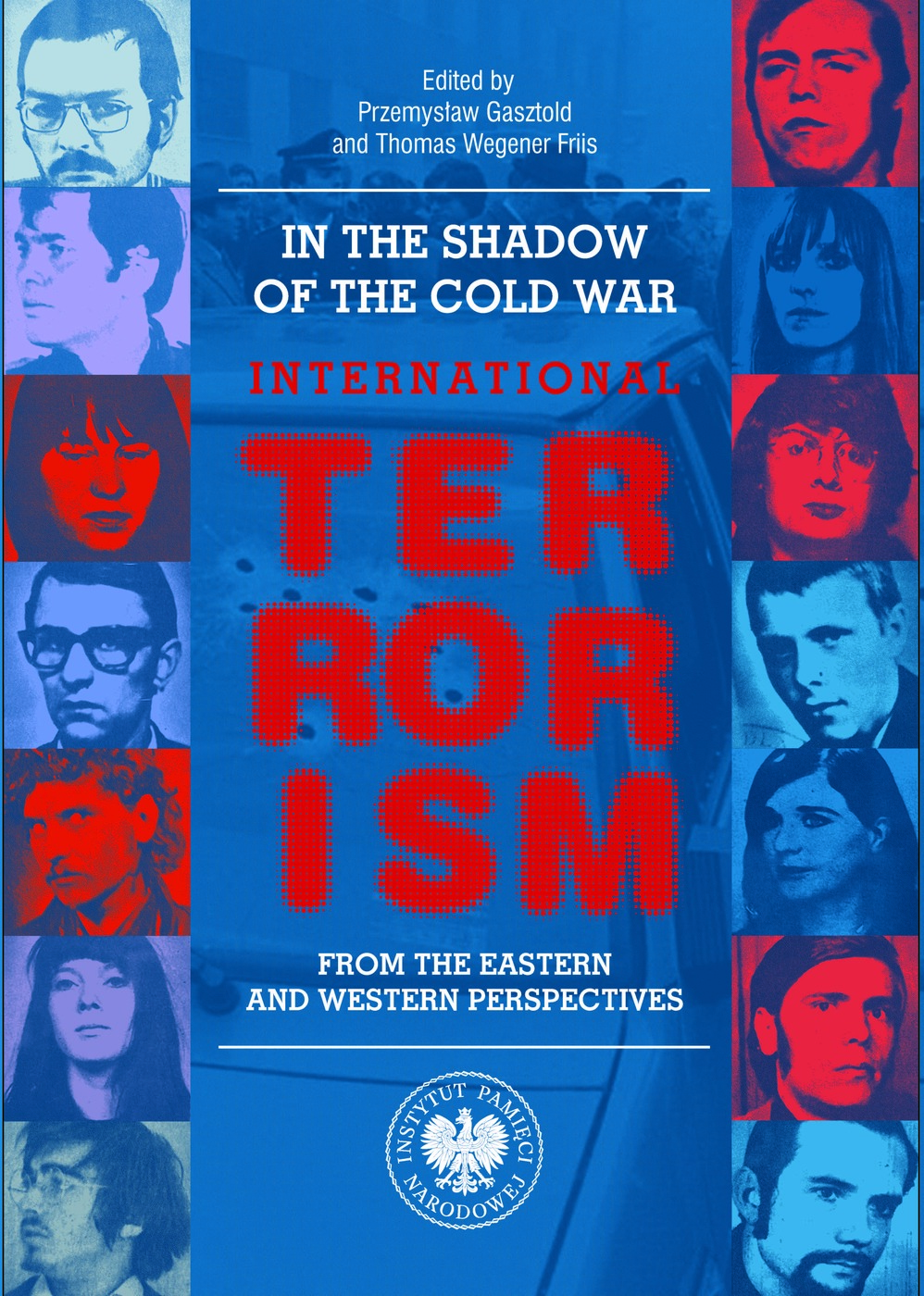
In the Shadow of the Cold War. International Terrorism from the Eastern and Western Perspectives, red. Przemysław Gasztold, Thomas Wegener Friis, Warszawa 2026, 344 s., ISBN 978-83-8459-100-0
Publikacja w ramach Centralnego Projektu Badawczego IPN „Struktury i metody działania aparatu bezpieczeństwa w Polsce 1944–1989/90”.
In the Shadow of the Cold War. International Terrorism from the Eastern and Western Perspectives explores the complexities of the terror network on each side of and across the Iron Curtain from three distinct yet interconnected vantage points – the Polish, the Western, and the Eastern one – and through diverse case studies innovatively cutting across these perspectives. Rather than providing systematic analysis of key aspects of international terrorism, this volume focuses on challenging the long-standing assumptions about a monolithic character of the Cold War terror network and offers a cutting-edge reassessment of terrorism’s place in the former East–West confrontation.
Contributions from leading scholars in the field from across Europe build and synthesize overlooked, newly declassified intelligence records from post-communist states, including Poland, Bulgaria, or Romania. As such, they offer a novel scholarly reappraisal of terrorism and reveal a fragmented – rather than centralized – world of international terrorist structures, intelligence efforts, and clandestine relationships shaped by competing national interests, mutual distrust, or pragmatic cooperation. Through detailed case studies – including that of the 1982 armed seizure of the Polish embassy in Bern, of the dramatic hijacking of Flight 6833 in Georgia, as well as case studies of individual socialist regimes’ commercial and intelligence links, or lack thereof, with specific terrorist groups or with individuals such as Carlos the Jackal – the authors expose the shape of international terrorist structures, as well as the limitations of official multilateral cooperation between nations in an era defined by ideological division. Ultimately, this collection bridges the divide between Eastern and Western historiographies, offering critical lessons from the successes and failures of past counterterrorism measures.