Autor:
Wróbel Janusz
Rok wydania:
2026
Liczba stron:
344 s.
ISBN:
978-83-8459-017-1
Tagi:
Do pobrania:
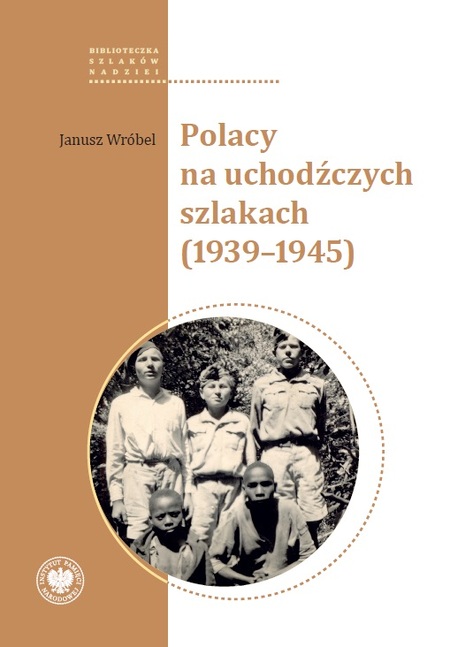
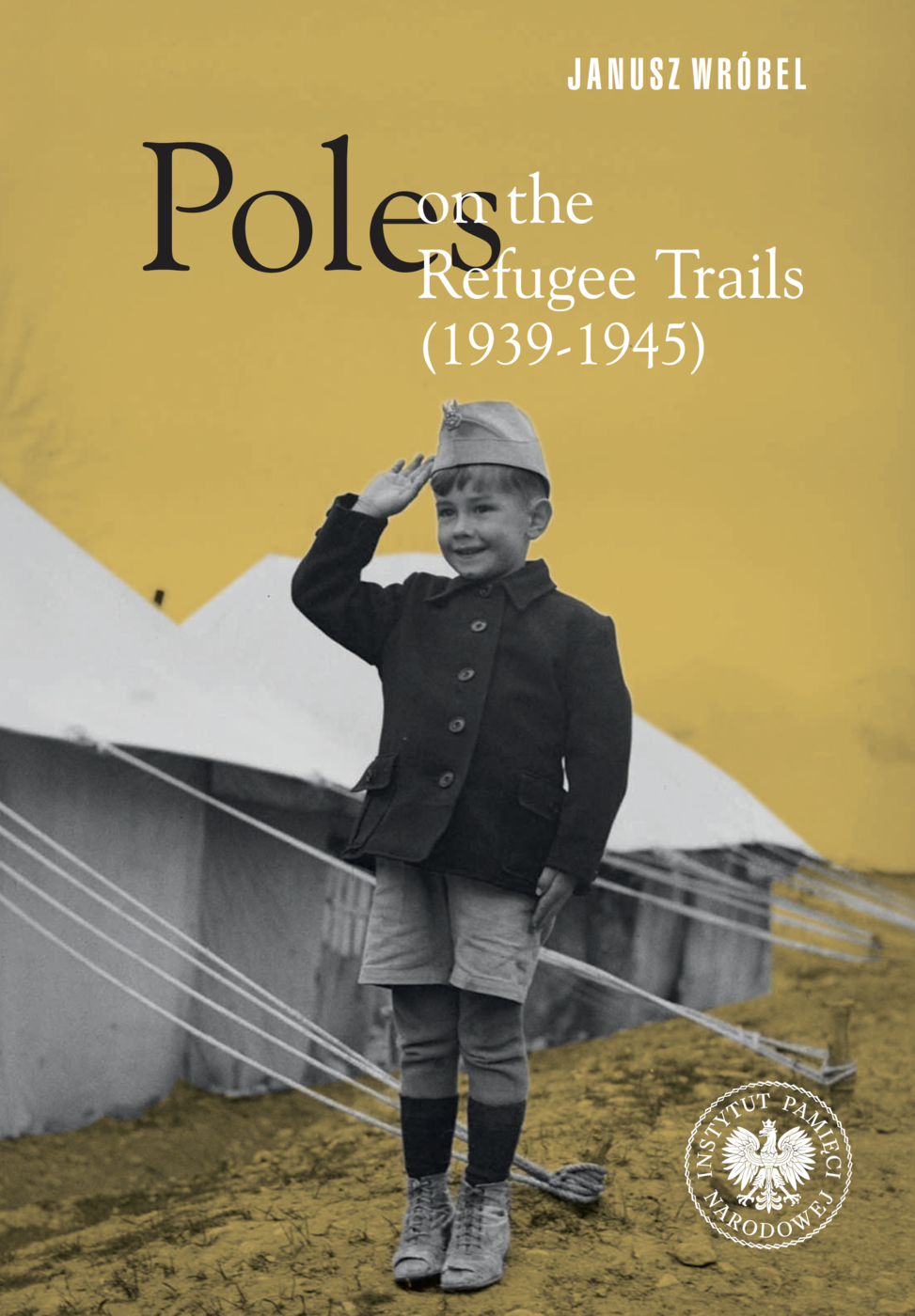
Janusz Wróbel, Poles on the Refugee Trails (1939-1945), translated by Katarzyna Górska-Łazarz, Warszawa 2026, 344 s., ISBN 978-83-8459-017-1
Projekt „Szlaki Nadziei - Odyseja Wolności” („Trails of Hope - The Odyssey of Freedom”).
The term ‘exile’ has many layers and encompasses – among its many meanings – forced displacement, the desire to carry on living, seeking refuge, applying for asylum, systematic assistance from the international community of allies, and deliberate efforts to move valuable assets, including national cultural heritage or gold reserves, away from war zones to safer locations. Poles on the Refugee Trails (1939–1945) discusses all these layers through the experiences of Polish civilians dispersed across Europe and other continents following the outbreak of World War II. The sociological, economic, and anthropological consequences of exile are analyzed chronologically, with a focus on the geopolitical structure of various immigrant waves. Polish nationals undertook a massive immigration effort in 1939–1945 to save their lives and property.
The effort was facilitated not only by systematic assistance from international institutions and governments but also through help offered by individuals.
Prof. Janusz Wróbel provides a comprehensive overview of activities undertaken by foreigners and Poles alike, determined to support Polish refugees – be it Japanese Consul Chiune Sugihara, who helped several thousand Polish Jews to flee Lithuania before the country was annexed by the Soviet Union in June 1940, or Italian antifascist and daughter of La Stampa founder Alfred Frassati, Luciana Frassati-Gawrońska, who helped Polish aristocrats and academics, or Mieczysław Szymczak, the most senior US official of Polish descent at the time and the Governor of the Federal Reserve Bank of the United States, who instigated the quick establishment of the Commission for Polish Relief (CPR), also known as the Hoover Commission. Important contributions were made, too, by Paul Super, the head of the YMCA, in Romania, as well as Portuguese Consul Aristides de Sousa Mendes in Bordeaux, who helped many Poles flee France in 1940.